
Define the machine
Model, serial, circuits and replacement scope.
RHPL’s complete-kit concept brings a defined machine-wide hose replacement scope into one coordinated maintenance intervention, with item identification, agreed specifications and organised supply.
Discuss your requirement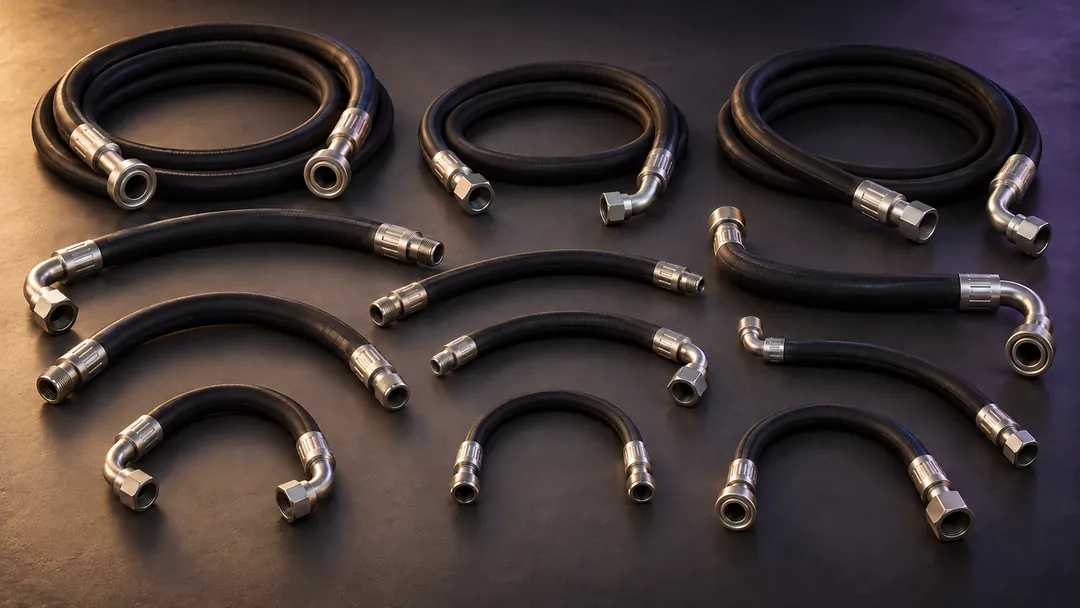
Model, serial, circuits and replacement scope.
References, quantities, connections and protection.
Manufacture and inspect to the accepted specification.
Item tags, packing groups and the agreed dispatch plan.
Request relevant performance records for your procurement review. RHPL shares documents directly, subject to customer confidentiality.
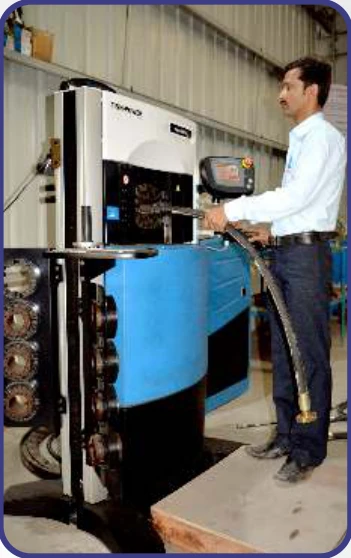
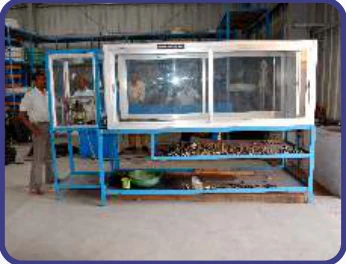
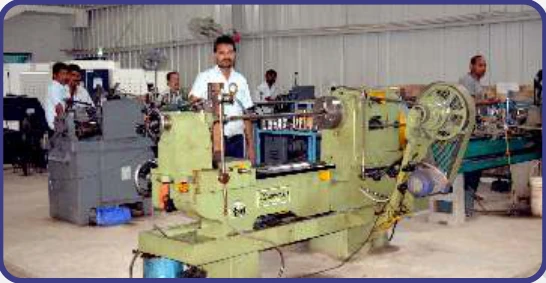
Request performance evidencePhotographs from RHPL’s older company brochure show its production and testing facilities. These are historical images; current equipment configuration and inspection scope are confirmed for each requirement.
Aging hoses can create recurring interruptions when replacements are handled one line at a time. Reviewing the machine’s hose scope together helps maintenance and procurement teams plan the work, resolve identification gaps and prepare the required assemblies before the shutdown.
The historical RHPL concept describes replacing the rubber hoses on a machine together. Each present order still needs an agreed bill of materials: included circuits, part references, quantities, machine version, end connections and any modified routing. A model name alone does not define every assembly.
The aim is fewer recurring hose-related stoppages and oil losses, better maintenance planning and clearer spare identification. Performance depends on correct selection, installation, operating conditions and maintenance; a kit does not guarantee zero failures or eliminate every source of hydraulic leakage.
Review the machine details and the supplied drawings, references or samples. Agree the assembly specification and identification. Manufacture through the applicable preparation, fitting and crimping operations; complete the agreed inspection and proof-testing scope; clean, protect, identify and pack the accepted items for dispatch.
Recording installation dates, circuit locations and observed failure modes can help the buyer and RHPL improve repeat requirements. Share inspection findings and service history when planning the next kit. Digital fleet tracking is not included automatically with a website enquiry.
This explanation is informed by the older RHPL hose-kit concept and company material supplied for the website rebuild. Current technical scope, inspection documents, installation responsibility and delivery terms are established with each quotation.
Share the equipment details, replacement scope and required date.