Aftermarket Hose Assemblies: OEM Number Guide
Learn how OEM part numbers identify a replacement requirement and how RHPL assemblies differ from branded hose components. Use this guide to read your quotation and identify the product supplied.
Discuss Your Requirement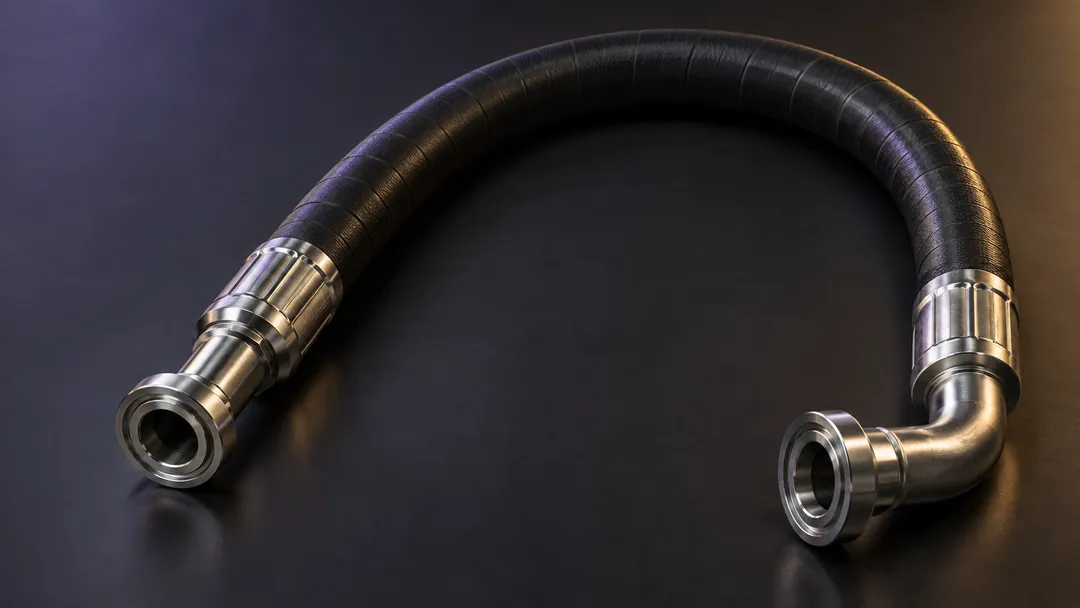
What Does an OEM Part Number Mean on an RHPL Enquiry?
An OEM part number identifies the replacement requirement being discussed; it does not make an RHPL assembly an original equipment manufacturer product. RHPL uses OEM part-number cross-referencing together with machine details to review the application. The written quotation should identify the replacement assembly or branded component proposed for supply.
Keep the Machine and the Reference Together
Include the equipment make, exact model, serial number and requested quantity with each reference. Mention changed attachments or other modifications that may affect the replacement. An original number is an identification aid, while drawings, samples and installation information help resolve uncertainty. For a group of assemblies, explore machine-wise hose kits and describe whether you need a breakdown kit, preventive replacement kit or one-machine trial.
Distinguish Assembly Identity from Hose Brand
RHPL manufactures independent aftermarket hose assemblies and supplies identified branded hose products. RHPL is an Authorised Gates Distributor. That description applies to Gates and does not imply authorisation from an equipment manufacturer. A hose brand, machine name and assembly reference serve different purposes in a quotation. Ask which finished assembly or component is being supplied and discuss any proposed substitution before accepting the offer.
Check the Preparation and Inspection Scope
Product identity should be considered alongside manufacturing and inspection. RHPL uses controlled hose cutting, Finn-Power crimping, dimensional inspection, pressure testing, cleaning before packing and traceability tags. In-house fitting production uses CNC machines and lathes. Review our quality information, then identify the inspection records and packing requirements needed for your order. Technical confirmation concerns the agreed replacement requirement, rather than an equipment name alone.
Clarify the Offer Before Ordering
Third-party trademarks belong to their respective owners. Equipment references do not imply equipment-manufacturer approval, sponsorship or affiliation; representative images may differ from the supplied item. Keep the accepted reference, quantity and product identity together in your purchasing records. Use the RFQ page to send a defined requirement, or contact RHPL if a listing, image or proposed alternative needs clarification before you proceed. Resolve those questions before manufacturing is agreed.