Hydraulic Hose Crimping Machine or Ready Assemblies?
Updated · 6 min read
A hydraulic hose crimping machine is one part of an assembly process. Choosing between in-house crimping and ready assemblies means deciding who will identify the components, control fabrication and document the result. For maintenance and procurement teams, the useful starting point is the work required across the fleet and the capability available on every shift.
What a Hydraulic Hose Crimping Machine Does
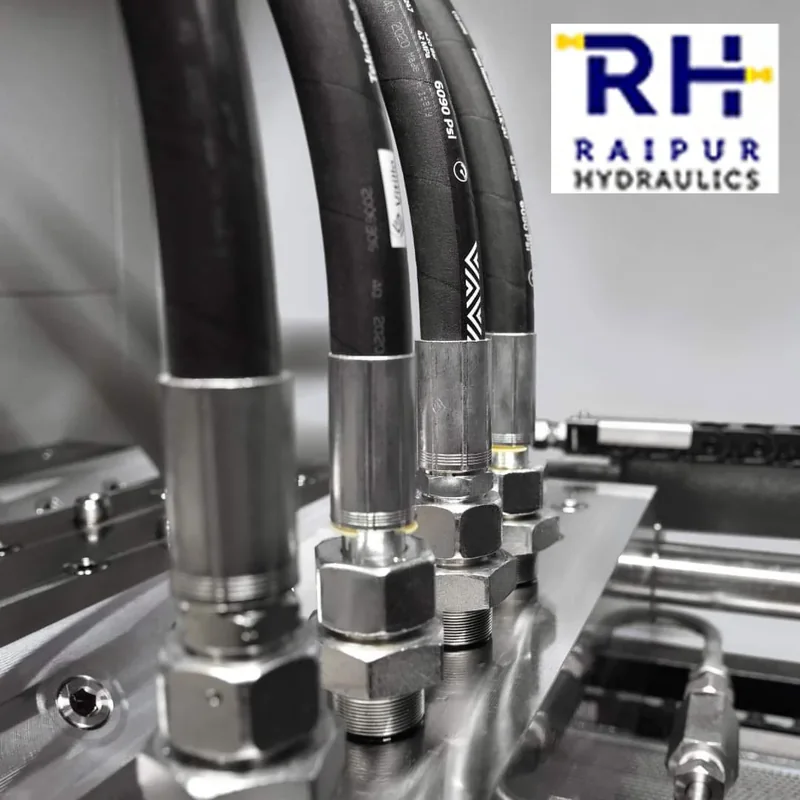
A hydraulic hose crimper closes a set of dies around a fitting shell or ferrule, compressing it onto the hose and fitting stem. The required finished crimp diameter belongs to the particular component combination. A machine setting is not a substitute for checking the finished assembly.
Skiving removes specified hose-cover material before fitting assembly; a no-skive system avoids that preparation where the maker permits it. Follow the relevant instructions, including insertion and positioning requirements. The Gates Crimp Data & Dies Manual, Hose Assembly Guide explains these distinctions and finished-crimp measurement.
What In-House Crimping Requires
Define the workshop's approved work before selecting a hose crimping tool. A useful capability review covers the following controls:
- Matched hose and fittings: use a documented, maker-approved combination. Similar appearance or nominal size does not establish compatibility. The Parker Safety Guide, Publication 4400-B.1, addresses component matching and approved assembly equipment.
- Current specification: identify the exact hose and coupling combination in the maker's data. Gates eCrimp provides combination-specific crimp information. Keep the applicable instructions accessible at the workstation.
- Correct die set: select the specified tooling and maintain the crimper according to its operating manual. A die that physically accepts the fitting is not proof of suitability.
- Trained operator: establish who is competent to select components, operate the equipment and reject a nonconforming assembly. Provide cover for absence and shift changes.
- Finished measurement: measure crimp diameter using the maker's specified locations, method and tolerance. Hold an out-of-tolerance assembly for review instead of releasing it because it looks sound.
- Cleaning and capping: remove fabrication debris by the approved method, inspect cleanliness and protect open ends until installation. Agree the required cleanliness and protection with the maintenance team.
- Record-keeping: retain the assembly reference, component identification, specification used, operator, inspection result and date. Decide how a later replacement will retrieve the same verified requirements.
Also assign responsibility for changes. If the approved component combination becomes unavailable or the application changes, pause the job for technical review. A workshop needs a clear route for resolving missing information without asking an operator to improvise.
When Buying Ready Assemblies Makes Sense
Ready assemblies are completed hose assemblies prepared against agreed requirements. They can be made to a drawing or sample; the term does not mean a universal hose that fits every application. A maintenance team may prefer this route when assembly preparation would otherwise interrupt its core inspection and installation work.
Mixed fleets and many fitting families: review how often unfamiliar connections appear and whether the workshop can identify both ends confidently. Buying prepared assemblies can move component selection and fabrication to the assembly provider, while the buyer remains responsible for supplying accurate application and fitment information. Our hydraulic hose fittings overview helps organise the connection details.
Traceability requirements: specify the identification and inspection documentation needed before placing the order. Request a reference that can be tied to the drawing revision, machine location or maintenance record. Do not assume that a label alone proves the underlying assembly checks were completed.
Planned shutdowns: prepared hose kits can help the installation team group replacement work by equipment and location. Agree quantities, end orientation, protective accessories, packaging and the required arrival date in advance. Check delivered items against the approved list before equipment is opened for maintenance.
In-house crimping can suit recurring, clearly defined work when the full process is supported. A combined approach is also possible: retain a documented set of workshop jobs and order other assemblies prepared. Define the boundary by verified capability, with a named person responsible for exceptions.
In-House Crimping vs Ready Assemblies
| Factor | In-house crimping | Ready assemblies |
|---|---|---|
| Work definition | Workshop confirms application and assembly details before fabrication. | Buyer agrees details with the assembler before ordering. |
| Equipment and skills | Maintain tooling, operator competence and inspection capability. | Review the assembler's process and agree acceptance requirements. |
| Fitting variety | Confirm workshop capability for each required combination. | Submit unusual ends for identification before manufacture. |
| Records | Create and retain fabrication and inspection records locally. | Specify the records and identification required with delivery. |
| Shutdown planning | Schedule fabrication and checks alongside maintenance work. | Schedule receipt, checking and grouping before installation. |
| Installation | Verify routing and fitment against equipment requirements. | Verify routing and fitment against the same requirements. |
Crimp-Related Leaks and Blow-Off Risk
Incorrect component matching or assembly can contribute to leakage, fitting separation and hose blow-off. A hydraulic hose leaking at the crimp needs investigation; appearance alone cannot confirm the cause. Stop the equipment, isolate energy and release stored pressure according to its maintenance procedure. Never search for leaks with your hands. Suspected fluid injection requires immediate medical attention.
Do not attempt to solve a service leak by squeezing the fitting further. Preserve the failed assembly for assessment and arrange a correctly specified replacement. See the hydraulic hose leak causes guide for safe investigation and possible contributing factors.
Prepare a Clear Assembly Enquiry
Send the drawing or sample, reference and quantity, length measurement method, both end connections and any orientation requirement. Include the hose layline and application details where known. Flag uncertain information for review. RHPL builds hose assemblies and kits; use our custom hose assemblies enquiry to discuss a drawing or sample.
Frequently Asked Questions
Is a hydraulic hose crimp chart universal?
No. Use the current specification for the exact hose, fitting and approved equipment combination. A chart for a similar-looking assembly is not a valid substitute.
Does owning a hydraulic hose crimper make a workshop ready?
No. The workshop also needs approved components and tooling, trained operators, inspection, cleaning, end protection and records. Review the complete process before accepting assembly work.
Can ready assemblies be made to a drawing or sample?
Yes. Agree the application, both end connections, length reference points, orientation, quantity and identification requirements. Resolve missing details before fabrication.
Should a mixed fleet use only ready assemblies?
Not necessarily. Compare the range of work with verified workshop capability. A defined in-house scope can be combined with prepared assemblies for other requirements and planned shutdowns.
Technical References
Consult the current product and equipment instructions for the proposed application. The references below support the general technical background; they do not validate an RHPL assembly.
Caterpillar, Volvo, Komatsu, Hitachi, Danfoss, Parker, Manuli and Swagelok are trademarks of their respective owners. RHPL is not affiliated with or endorsed by these brand owners. Gates is a trademark of Gates Corporation; RHPL is an Authorised Gates Distributor. Brand and machine names are used only to identify compatibility. External manufacturer references provide general technical background and do not imply endorsement of RHPL products.